Caravan Weight Explained: Why the Lightest Caravan Isn't Always the Best Choice
Understanding caravan weight, payload and the engineering decisions that matter before you buy.
When researching caravans, one of the first specifications buyers compare is weight.
It's understandable. A lighter caravan can appear easier to tow, offer more payload and seem like the smarter choice. But while tare weight is important, it only tells part of the story.
At Elross, we believe buyers should understand why a caravan weighs what it does, rather than simply chasing the lightest number on a specification sheet.
Because in reality, every optioned added is valuable weight that is gained.
What is Tare Weight?
Tare weight is the weight of a caravan as it leaves the manufacturer.
Generally, this includes the caravan in its standard condition with empty water tanks and without your personal belongings. However, weighing methods can vary slightly between manufacturers depending on whether gas bottles, optional accessories or other equipment are included. Quite often accessories such as toolboxes, awnings and other additions made by the dealer are oten not included in the original Tare that comes from the manufacturer - so be wary of this!
This is why comparing tare weights alone can sometimes be misleading between manufacturers.
Instead, it's important to understand the complete picture, including:
Tare Weight
ATM (Aggregate Trailer Mass)
Payload Capacity
Ball Weight
Tow Vehicle Compatibility
Together, these figures determine how suitable a caravan is for the way you intend to travel.
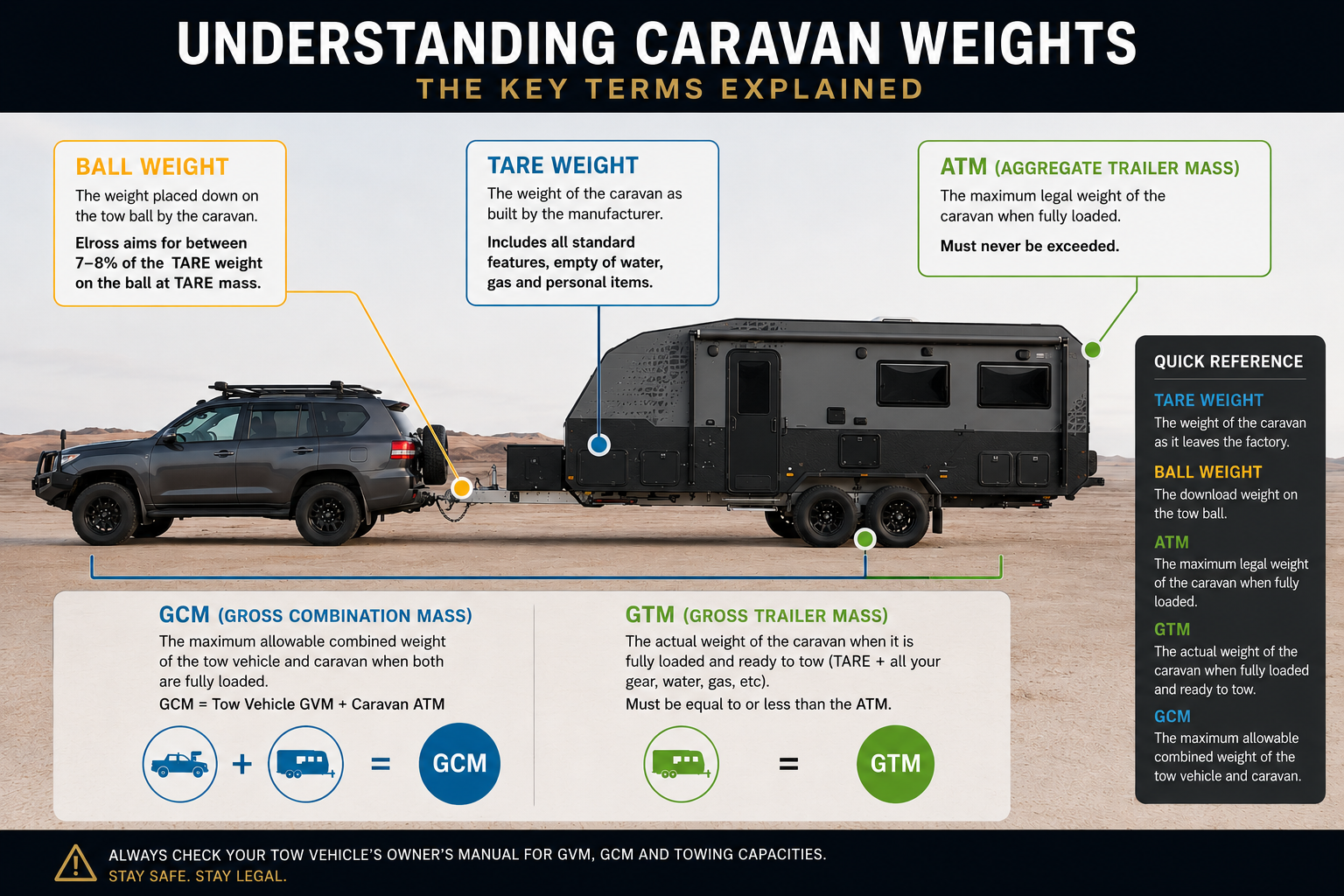
Caravan weight guide
Understanding Tow Ball Download
For me this is where a lot of manufacturers don’t detail the engineering requirements correctly. Tow ball download is one of the most misunderstood aspects of caravan towing. Many people focus on the ball weight of an empty caravan, when in reality, the figure that matters most is the ball weight once the caravan is fully loaded and ready for travel.
At Elross, our design philosophy is to build most caravans with a tare ball weight of approximately 7–8% of the caravan's tare mass. This provides owners with greater payload flexibility while still maintaining excellent towing manners. This is where a lot of manufacturers have their tare weight Ball load at 10% from factory - which spells problems down the line once you start adding your accessories and payload.
As you prepare the caravan for a trip, the addition of water, gas bottles, food, clothing, camping equipment and personal belongings naturally changes the caravan's centre of gravity. When loaded correctly, the tow ball download should generally increase to around 10% of the caravan's loaded weight (ATM). This is widely regarded as the ideal balance for stable towing, helping to reduce trailer sway while ensuring the tow vehicle remains within its legal axle and payload limits.
The important point is that ball weight is not a fixed number. It changes depending on how the caravan is loaded. Packing heavy items behind the axle will reduce ball weight, while concentrating weight toward the front of the caravan will increase it. Correct weight distribution throughout the caravan is just as important as the overall weight itself.
There are, however, some exceptions.
Toy hauler caravans are intentionally engineered with a different weight distribution due to the rear garage area. Because motorcycles, ATVs or other recreational equipment are typically carried behind the axle group, Elross generally designs these models with a higher tare ball weight, closer to the 10% mark. This provides sufficient reserve ball load so that when the rear garage is loaded, the tow ball download remains within the desired operating range and the caravan continues to tow safely and predictably in both conditions of empty or loaded.
Measuring the actual tow ball download, GTM and ATM before a major trip is the best way to confirm your towing combination remains safe, stable and compliant with both the caravan manufacturer's specifications and your tow vehicle's limits.Every Feature Has a Weight
Many people assume caravan weight simply comes from the chassis or body.
In reality, weight is the result of hundreds of engineering decisions.
Every premium feature you add contributes to the final tare weight.
Examples include:
Larger battery banks
Increased solar capacity
Bigger water storage
Larger fridges
Diesel hot water and heating systems
Heavy-duty off-road suspension
Premium toolboxes
External kitchens
Recovery equipment
Air conditioners
Larger wheels and tyres
Stronger chassis construction
Additional cabinetry and storage
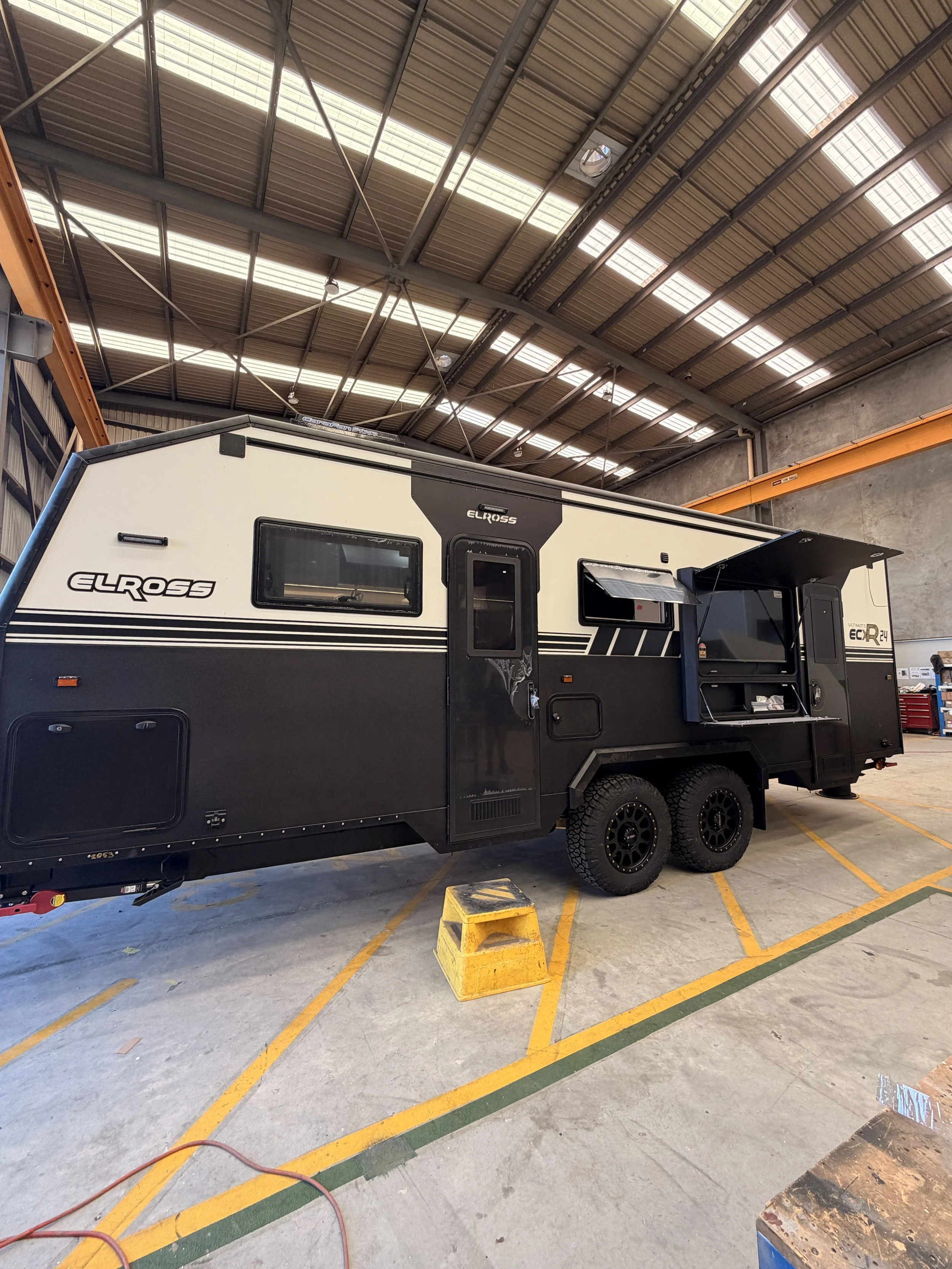
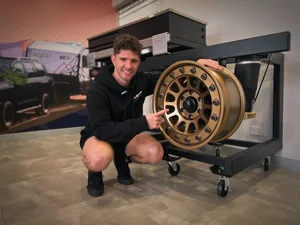
Lots of options = lots of weight. Higher load rated rims will also significantly increase tare mass.
The Hidden Cost of Chasing the Lowest Weight
A lighter caravan isn't automatically a better caravan.
Weight can certainly be reduced, but it often involves compromise.
Those compromises may include:
Smaller battery systems
Reduced water capacity
Lighter suspension components
Less structural reinforcement
Smaller storage areas
Reduced insulation
Lower payload capacity
Simpler electrical systems
While these decisions may reduce tare weight, they can also reduce the caravan's capability once you leave the bitumen.
For buyers planning extended off-grid travel, durability and self-sufficiency often become more valuable than saving a small amount of weight.
Payload Matters More Than Most People Realise
One specification that's frequently overlooked is payload.
Payload is everything you add after the caravan leaves the factory.
This includes:
Food
Clothing
Camping equipment
Recovery gear
Tools
Water
Gas bottles
Bikes
Firewood
Spare parts
Generators
Motorbikes or side-by-sides in a toy hauler
It doesn't take long for these items to add hundreds of kilograms.
A caravan with a low tare weight but limited payload may reach its legal weight limit surprisingly quickly.
That's why it's essential to consider how you actually travel—not just the empty weight listed on a brochure.
Matching the Caravan to the Tow Vehicle
Choosing the right caravan also means choosing one that suits your tow vehicle.
At Elross, our range is designed around different towing platforms.
For example:
Hybrid Models
Ideal for many popular dual-cab utes and SUVs including:
Toyota Hilux
Ford Ranger
Isuzu D-MAX
Volkswagen Amarok
Toyota Prado
Isuzu MU-X
Mid-Size Touring Caravans (18.5–20 ft)
Well suited to larger wagons such as:
Toyota LandCruiser 300 Series
Toyota LandCruiser 200 Series
Nissan Patrol Y62
Land Rover Defender
Land Rover Discovery
Ineos Grenadier
Large Touring and Family Caravans (21–24 ft)
Designed for heavy-duty towing platforms including:
Chevrolet Silverado
RAM 2500 & 3500
Ford Super Duty
Toyota Tundra
GMC 2500
Upgraded heavy-duty towing vehicles
Rather than trying to make every caravan suit every vehicle, we believe it's better engineering to design each model around its intended application.
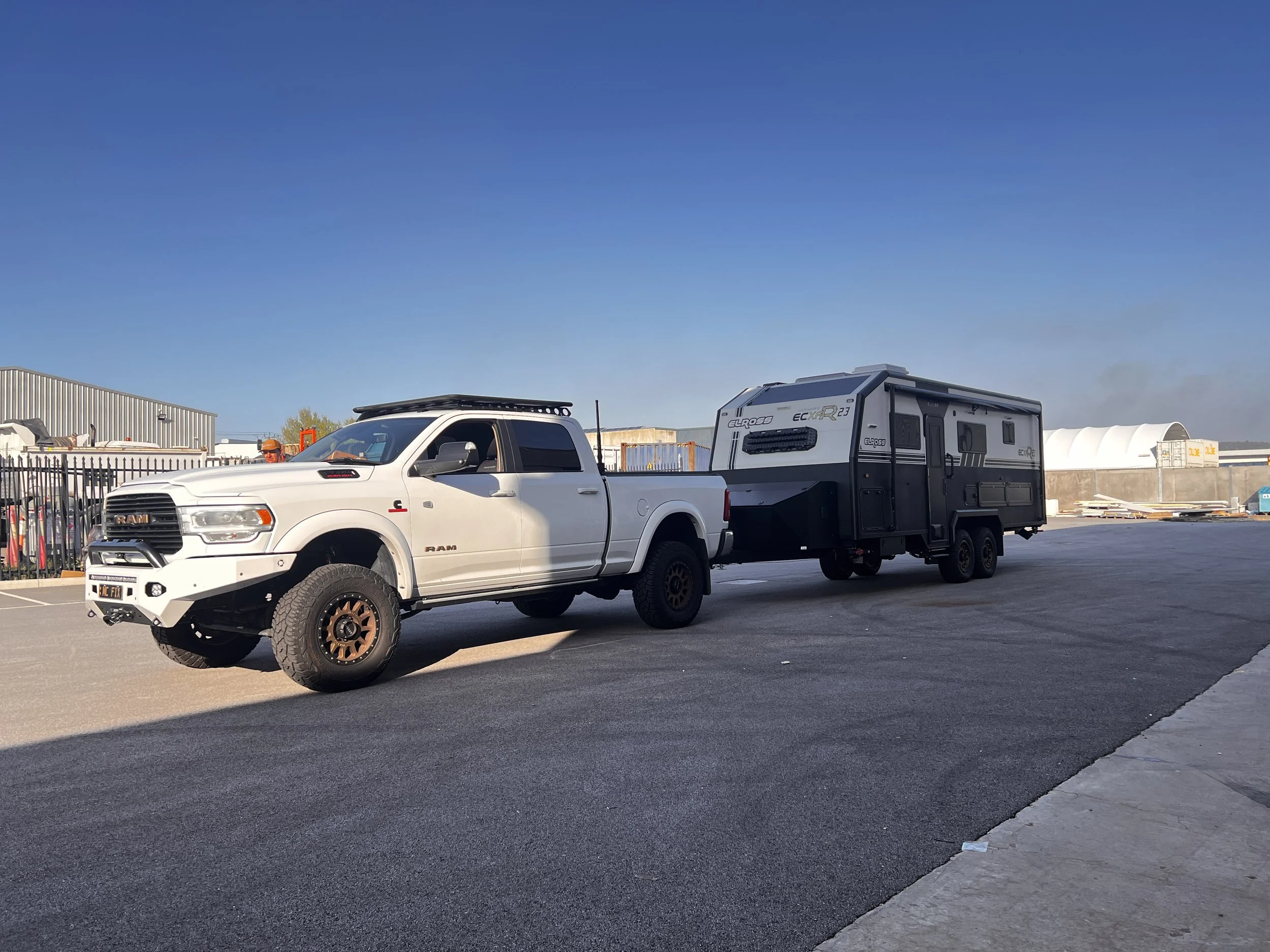
Ram2500 towing an ECXF-R23 family caravan
Stronger Doesn't Always Mean Heavier
Modern manufacturing continues to evolve.
At Elross, we continually invest in materials and construction methods that improve strength while managing weight.
Examples include:
Timber-free structural components
The objective isn't simply to reduce weight.
It's to reduce unnecessary weight while maintaining the strength, durability and reliability expected from a genuine off-road caravan.
Ask Why It Weighs What It Does
Instead of asking:
"What's the tare weight?"
Try asking:
Why does it weigh that amount?
What features contribute to the weight?
How much usable payload remains?
What tow vehicle was it designed for?
What compromises were made to achieve that weight?
The answers to these questions will often tell you far more about a caravan than a single number ever could.
Weight Is Only One Part of the Story
At Elross, we don't chase the lightest caravan on the market.
We engineer caravans that are built for Australian conditions, capable of extended off-grid travel and designed to provide confidence when you're thousands of kilometres from home.
Every kilogram is considered.
Every component has a purpose.
And every design decision is made with long-term durability, capability and owner satisfaction in mind.
When comparing caravans, don't just compare the numbers.
Compare the engineering behind them.