Big batteries. Big claims. But what is left once the caravan is on the back?
If you are planning your next caravan, choosing the tow vehicle is becoming a much more interesting conversation. The familiar Ranger, D-MAX, LandCruiser and Patrol now have a growing queue of Chinese rivals asking for a place in the driveway.
And these newcomers are arriving with more than a sharp price. Plug-in power, substantial batteries and electricity you can use at camp are changing what a touring vehicle can offer between trips.
From my side of the caravan industry, that is exciting. But before I get carried away with the touchscreen or the acceleration figure, I want to know something much simpler: can it carry you, your gear and the ball load of your caravan, all at the same time?
This is a specification-based and value for money shootout, not a claim that I have driven all of these vehicles back to back. My Top 5 ranks the Chinese plug-in hybrids with published Australian 3,500kg ratings as well as pricing. I also include Foton’s mild hybrid which is an honorable mention, the incoming Chery and all six established typical 3.5T vehicles for comparison. The overall winner is selected across those assessed vehicles, for regular 3.5T capacity caravan touring. A different use case can produce a different winner.
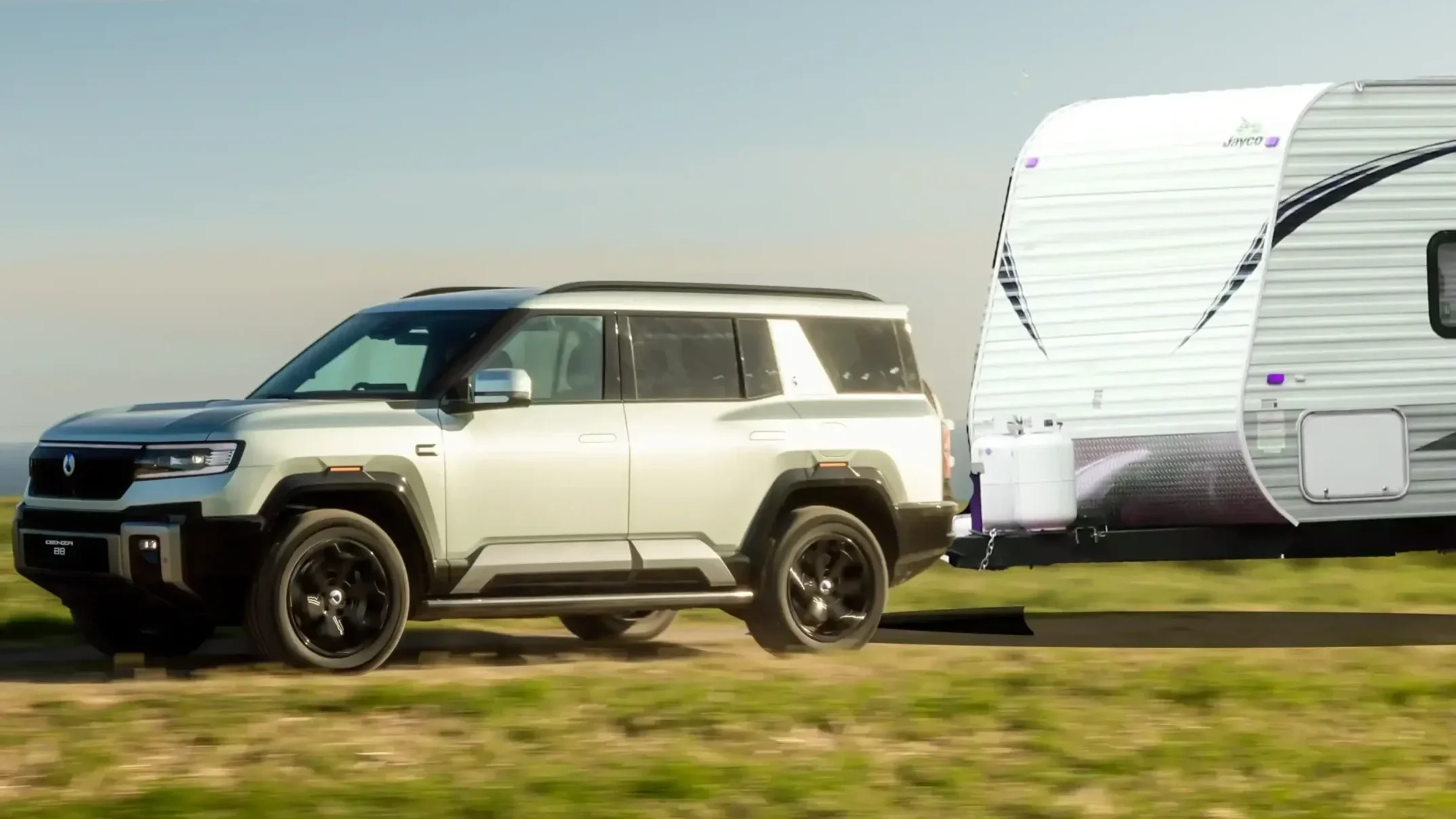
Denza B8 manufacturer image. Reference imagery supplied on Denza’s Australian website; this is not an Elross test or an Elross caravan.
The field is already changing
Some of the vehicles people still describe as “coming” are already on sale. The immediate PHEV field includes two different GWM utes, JAC’s Hunter, the higher-rated BYD Shark 6 Performance and Denza’s B8. Chery’s diesel PHEV Stockman is targeting deliveries from February 2027.[1],[3],[5],[6],[7],[9]
A PHEV has a plug, a larger battery and an electric driving mode. A mild hybrid such as the Foton Tunland uses 48-volt diesel assistance; it does not give you the same electric-only commuting or campsite energy proposition. Both belong in the wider conversation, but they solve different problems.[10]
There are also some important exclusions. The Shark 6 Premium remains a 2,500kg proposition; Denza B5 is rated at 3,000kg. The retrieved Tank 300 and Tank 500 PHEV sheets also list 3,000kg. The new Tank 500 Vanta diesel’s higher rating cannot be applied to its hybrid sibling in this comparison even though it carries a 3500kg rating, due to its diesel only approach however its worth mentioning that its pure numbers, price Rvial the tradtional Ranger, D-Max and other on pa.[6],[23],[24],[25]
The numbers that decide the match
GVM limits the loaded vehicle, including ball download. GCM limits the whole coupled combination. Kerb mass is the unoccupied vehicle with fuel and fluids; tare normally uses only 10 litres of fuel. Payload calculated from tare can therefore flatter the amount you have available with a full tank.[17]
The tables below use kerb mass wherever available. Discovery uses its manufacturer DIN figure and INEOS uses a derived basic mass; both include 90% fuel, so allow for the remaining fuel. Figures apply to the named grade and source edition, with no aftermarket upgrades. “Payload” here is GVM minus that stated base mass.
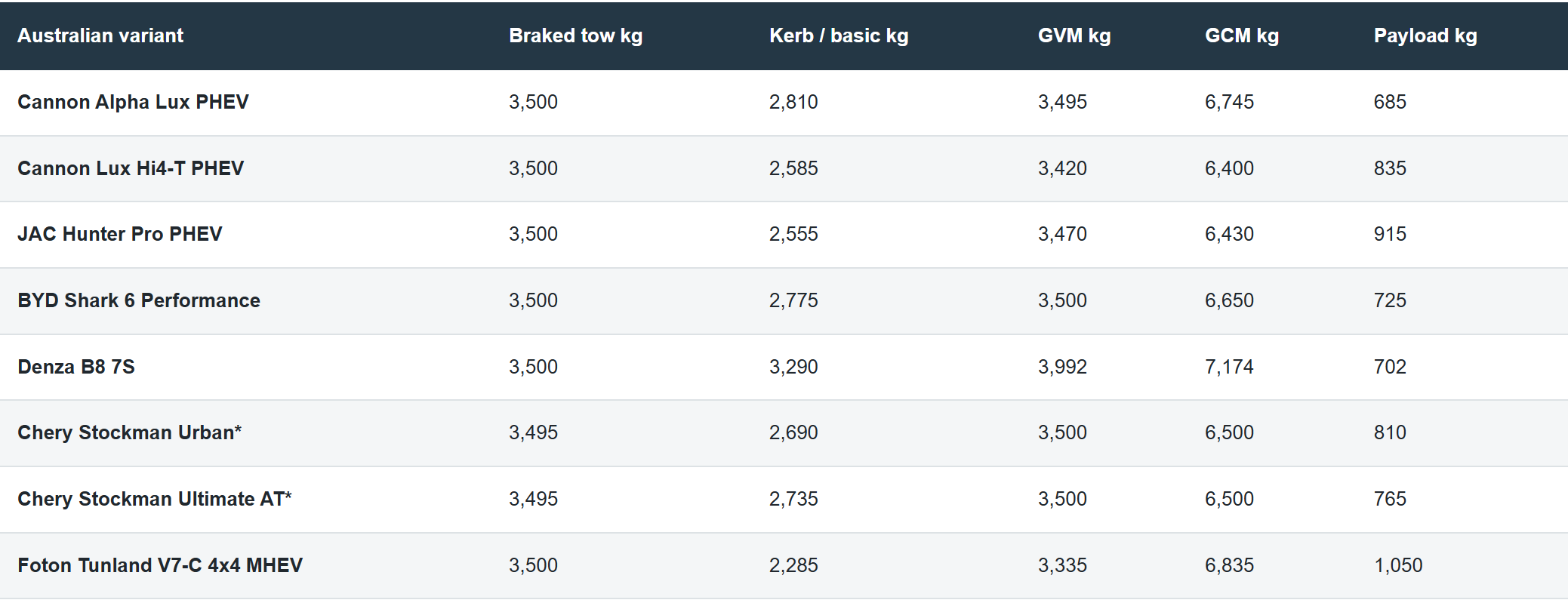
Sources: GWM Alpha [1], Cannon [3], JAC [5], BYD [6], Denza [7], Chery [8], Foton [10]. *Chery figures remain indicative. Ultimate with highway tyres: 2,700kg kerb and 800kg calculated payload; the AT version shown is 35kg heavier. Chery’s detailed sheet states 3,495kg towing, so a caravan actually weighing 3,500kg exceeds that figure by 5kg
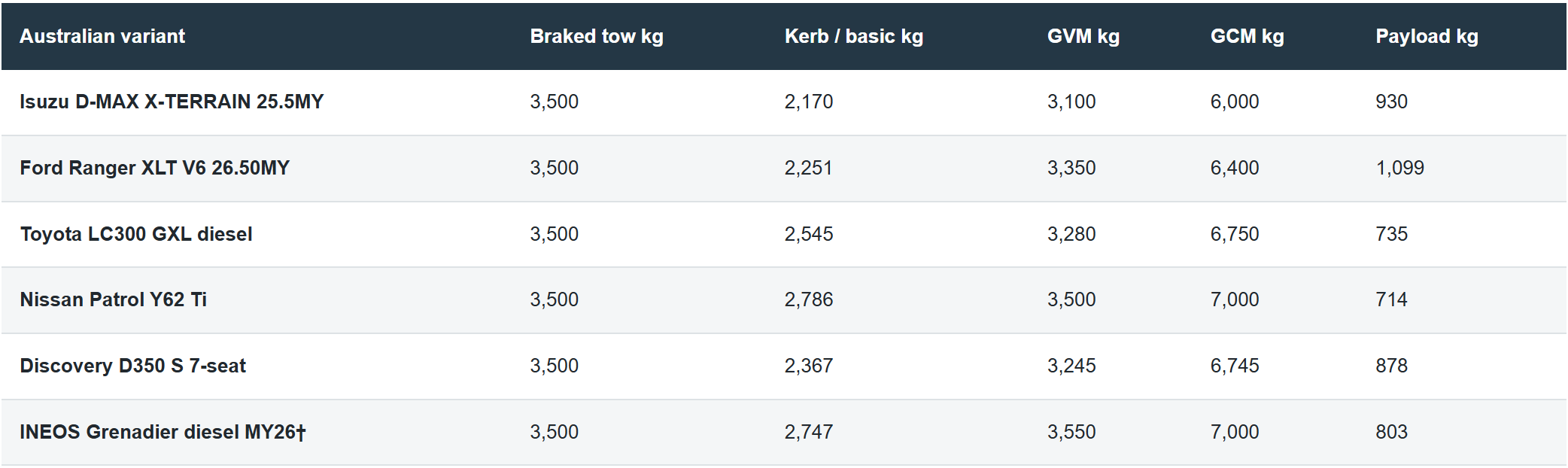
Sources [11–16]. Discovery: 2,367kg DIN, excluding driver, at 90% fuel. †INEOS: 2,747kg basic mass derived from 3,550 − 803kg in the Australian MY26 handbook, also 90% fuel/no driver. These are not full-tank kerb equivalents. Ford’s selected manufacturer table gives a minimum configuration figure; fitted options and different production specifications can reduce the allowance. Use the exact vehicle’s documentation and measured mass.
What is left at full towing weight
Here is the comparison I find more useful than the brochure payload: the room remaining for every occupant, all accessories and all cargo with the trailer attached. We use a 3,500kg total loaded trailer and 350kg ball download. Chery is assessed at its own 3,495kg limit, with the same 350kg ball assumption.
The calculation is the lower of GVM − base vehicle mass − ball download and GCM − base vehicle mass − total loaded trailer mass. Ball load is counted once in the GCM check: coupled vehicle axle loads plus trailer axle loads. These are screening allowances, before individual axle, towbar, tyre or other constraints.[17],[18]
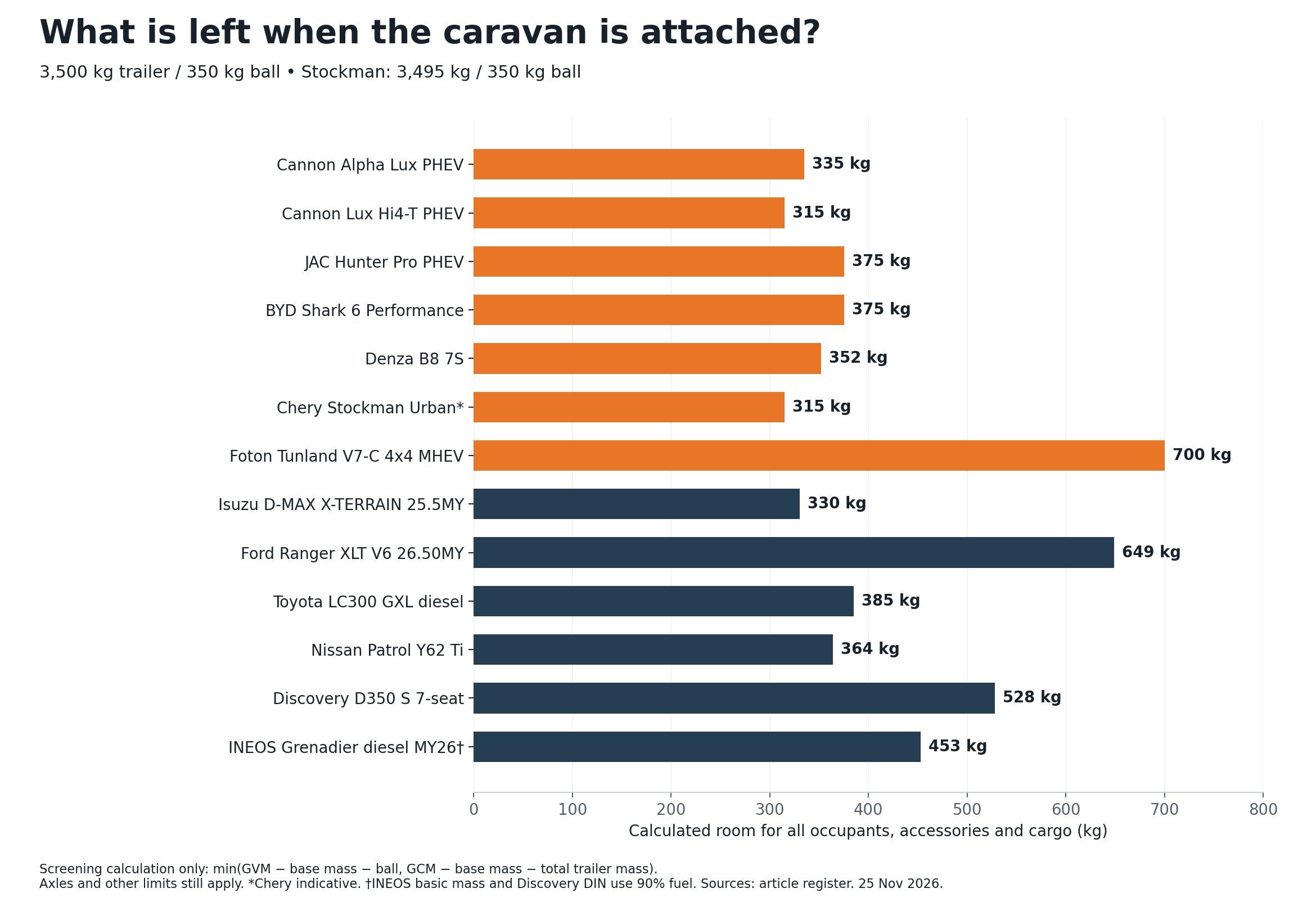
That changes the conversation quickly. The Alpha’s 685kg headline payload becomes 335kg. Denza’s B8 has 702kg on paper, but 352kg remains in this scenario. The Shark Performance leaves 375kg. Foton’s lighter mild-hybrid layout leaves 700kg, while the selected Ranger leaves 649kg.
Try a couple at 80kg each plus 150kg of fitted accessories and luggage: that is 310kg. The Alpha has just 25kg left on the mass screen; a 420kg family-and-gear load exceeds all five PHEVs’ calculated allowances here. Reducing trailer mass can help when GCM is limiting, but it does not automatically solve GVM if ball load stays high.
The rear axle is where this gets serious
A rear axle rating is a ceiling, not a spare carrying allowance. A 2,250kg axle can have less room left than a 1,959kg axle if the first vehicle already carries more weight over the rear wheels. Battery location, occupants, a canopy, drawers and hitch geometry all matter.
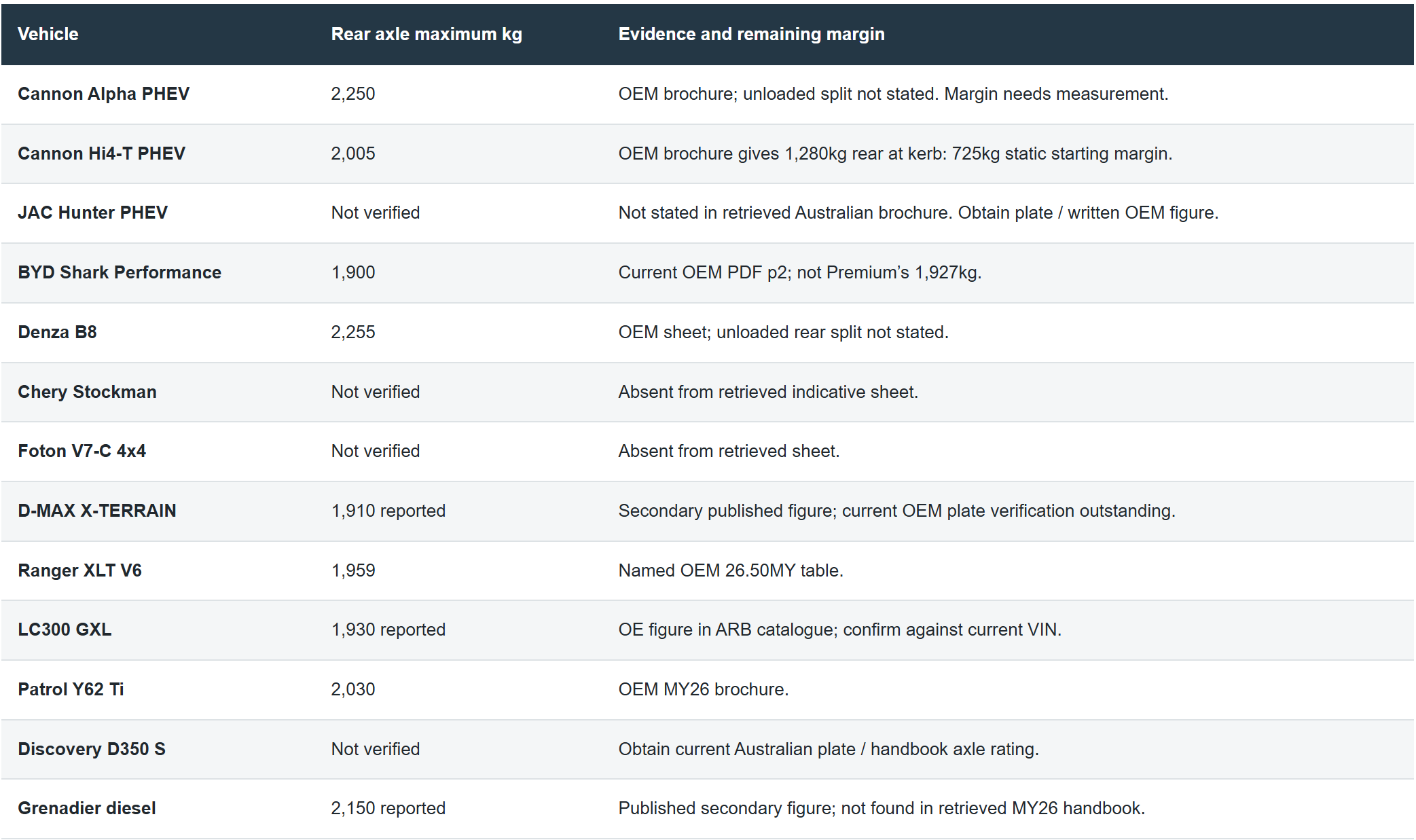
Sources and the evidence gaps are recorded in [1,3,5–8,10–16]. Missing figures are not treated as zero or as a failed engineering design; they prevent a complete axle assessment. Reported figures are deliberately excluded from the verified-only chart.
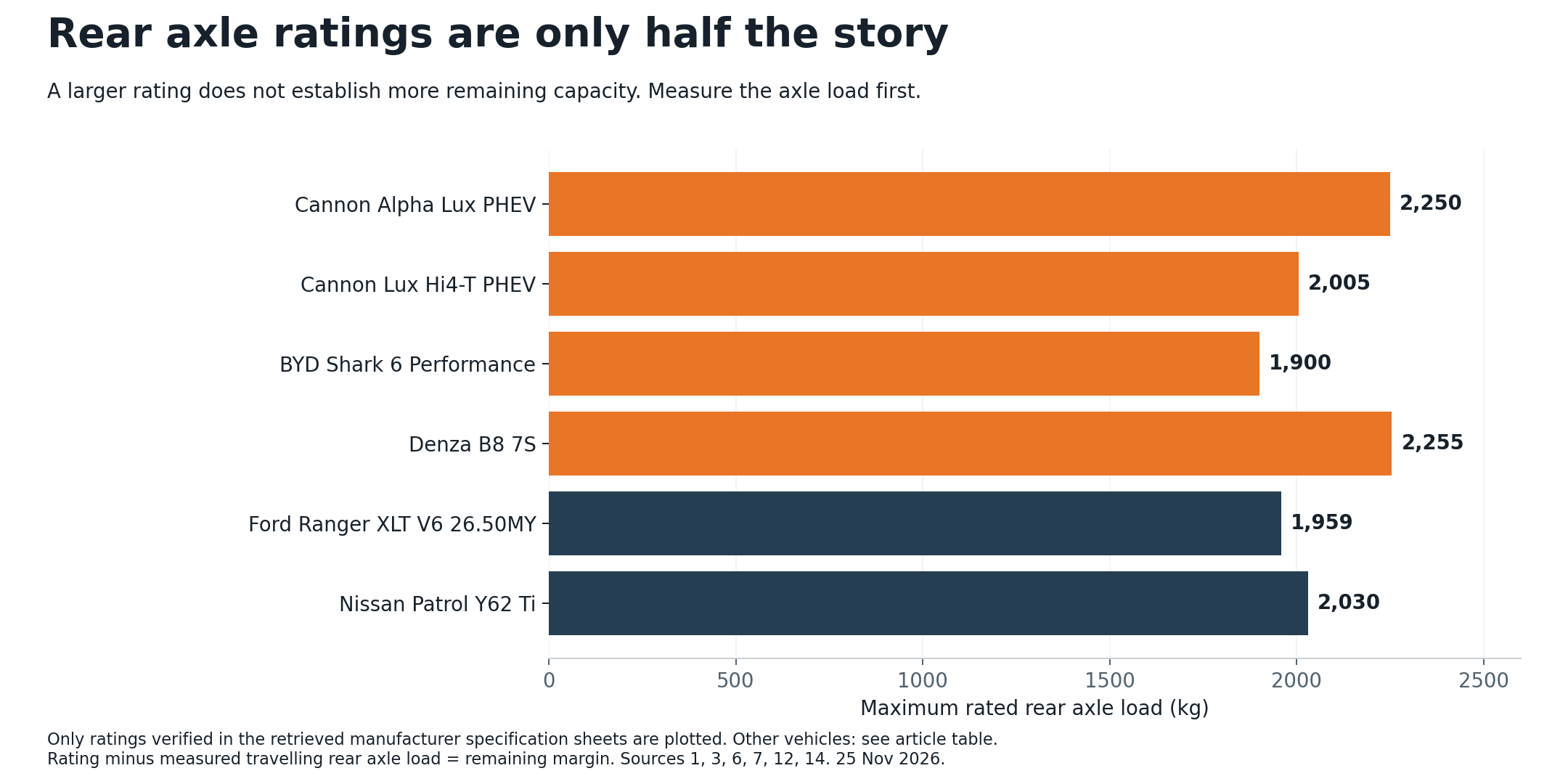
Verified maximum rear axle ratings. This chart compares ceilings, not available rear axle payload.
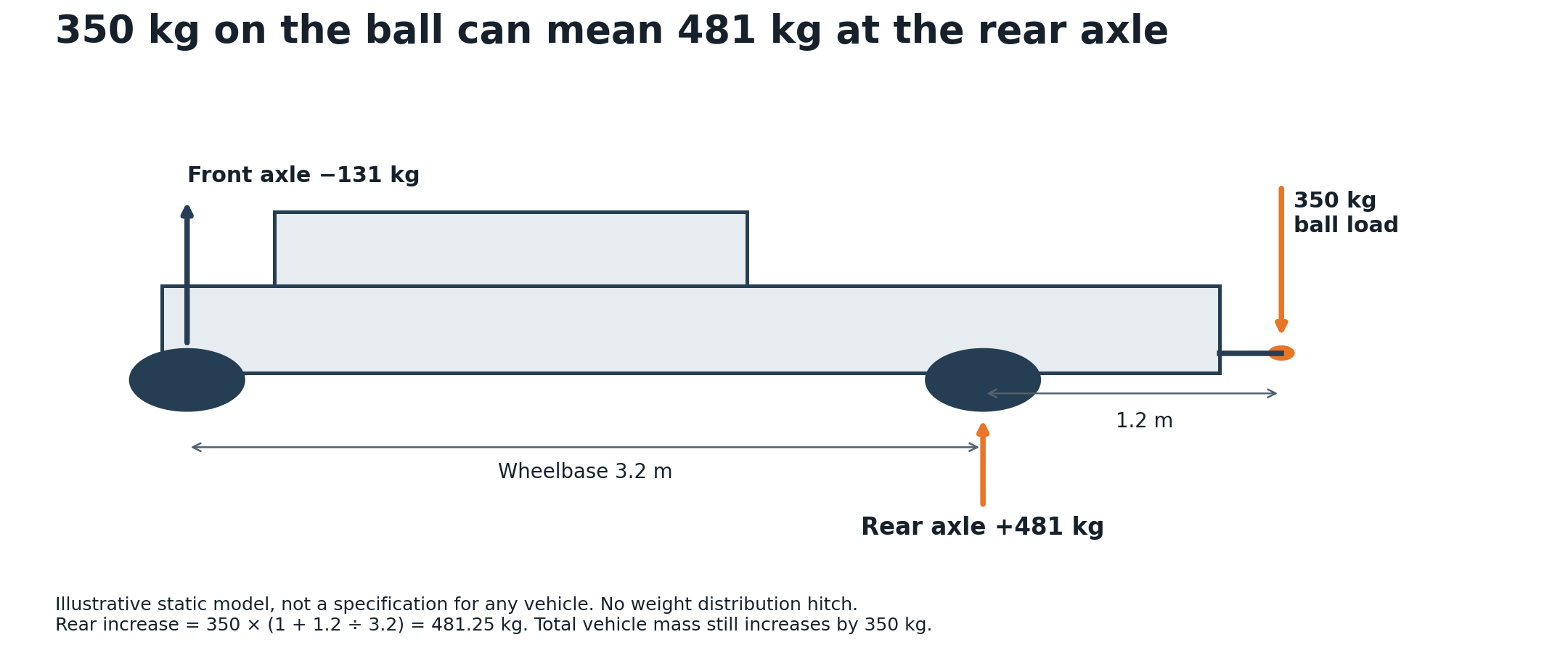
apologies on my crude Microsoft Excel drawing : an Elross Original drawing
With a 3.2m wheelbase and the ball 1.2m behind the rear axle, a 350kg ball load adds about 481kg at the rear while taking about 131kg off the front. The vehicle’s total mass still rises by only 350kg. This example assumes no weight distribution hitch and is not a specification for any contender.
Apply that illustrative 481kg rear increase to the Cannon’s published 725kg kerb rear margin and about 244kg would remain at that axle before people or cargo. Its actual geometry must be measured; the example shows why subtracting only 350kg from rear axle capacity can mislead.
Airbags or self-levelling suspension may change ride height. They do not, by themselves, raise the certified axle or vehicle limits. My request before ordering is simple: weigh the vehicle with travelling fuel, occupants and gear, then weigh it hitched. Check front axle, rear axle, total vehicle and trailer axle loads separately.[17]
Round two is price and useful equipment
The prices below are Australian dollars including GST. MSRP/list prices exclude on-road costs; DA means driveaway on the stated offer basis. GWM quotes a VIC private-buyer basis, so obtain a WA quote. Temporary cash offers and fuel cards are not equivalent to permanent list-price reductions.
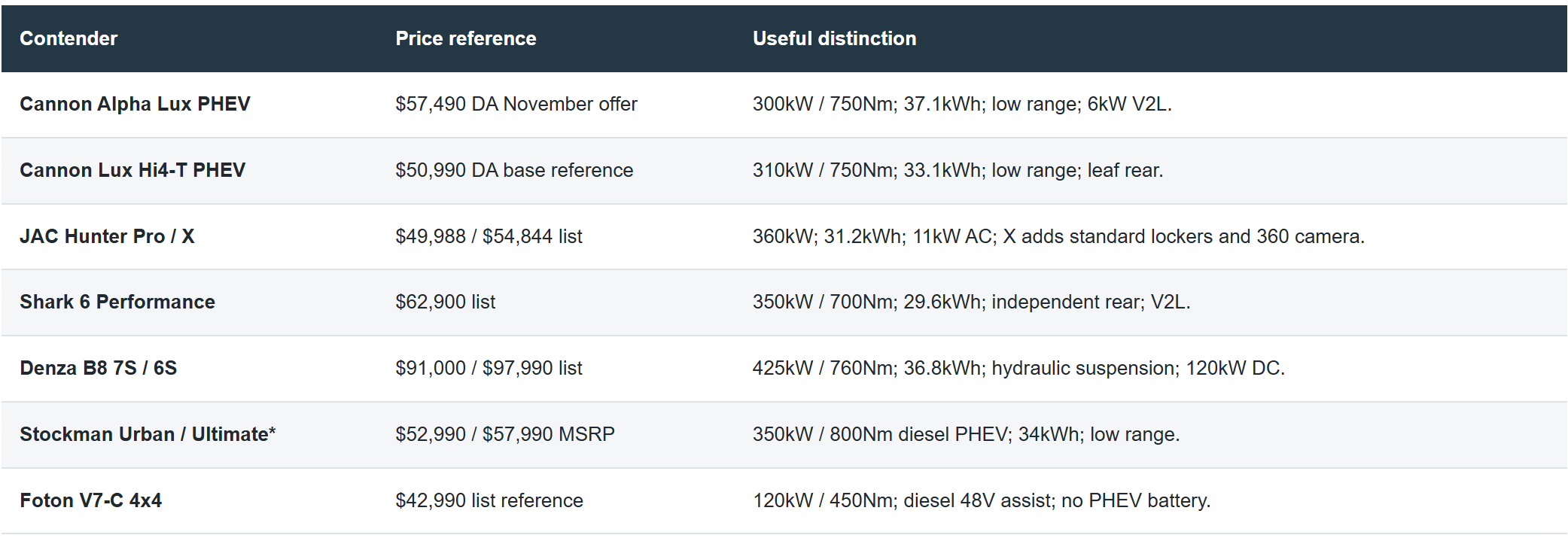
Sources [1–10]. Alpha offer ends 30 November 2026 and is conditional. Cannon also advertises a $2,000 cash bonus OR fuel card until 30 November; obtain a written final price rather than deducting it twice. JAC’s quoted 1,010Nm driveline figure is not used for ranking because its methodology is not directly comparable with the other combined torque claims.
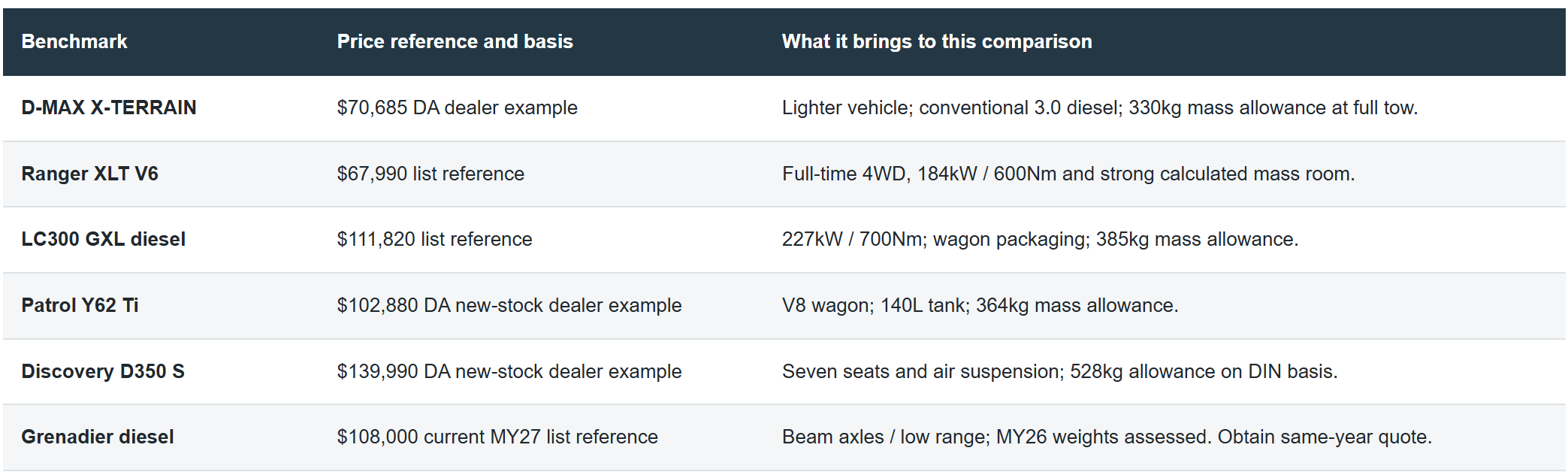
Pricing provenance is linked in [11–16]. Dealer examples can include options and are not national entry prices. The table gives buying context, not an equal-basis price league table. Obtain like-for-like WA driveaway quotes with tow hardware, brake controller, towing mirrors and the required wiring before deciding value.
My Top 5 Chinese plug in hybrids
The order below is an editorial shortlist for a couple towing a heavy caravan, with legal mass room treated as a gate, then towing hardware, purchase value, touring features and specification confidence. It is not a measured road-test score. Chery is not ranked before delivery and final specifications; Foton is assessed separately because it is a mild hybrid. Long-term durability, resale and sustained low-battery towing remain unscored.
1 · GWM Cannon Alpha Lux PHEV — the strongest challenger
For a towing-focused shortlist, I would start here. Low range, a substantial rear axle rating and campsite power make a useful combination, and the Lux price leaves a considerable gap to the premium wagons. The main restraint is its own weight: 335kg for people and gear is tight. It wins this PHEV shortlist on the balance of hardware and value, not because it carries the most.
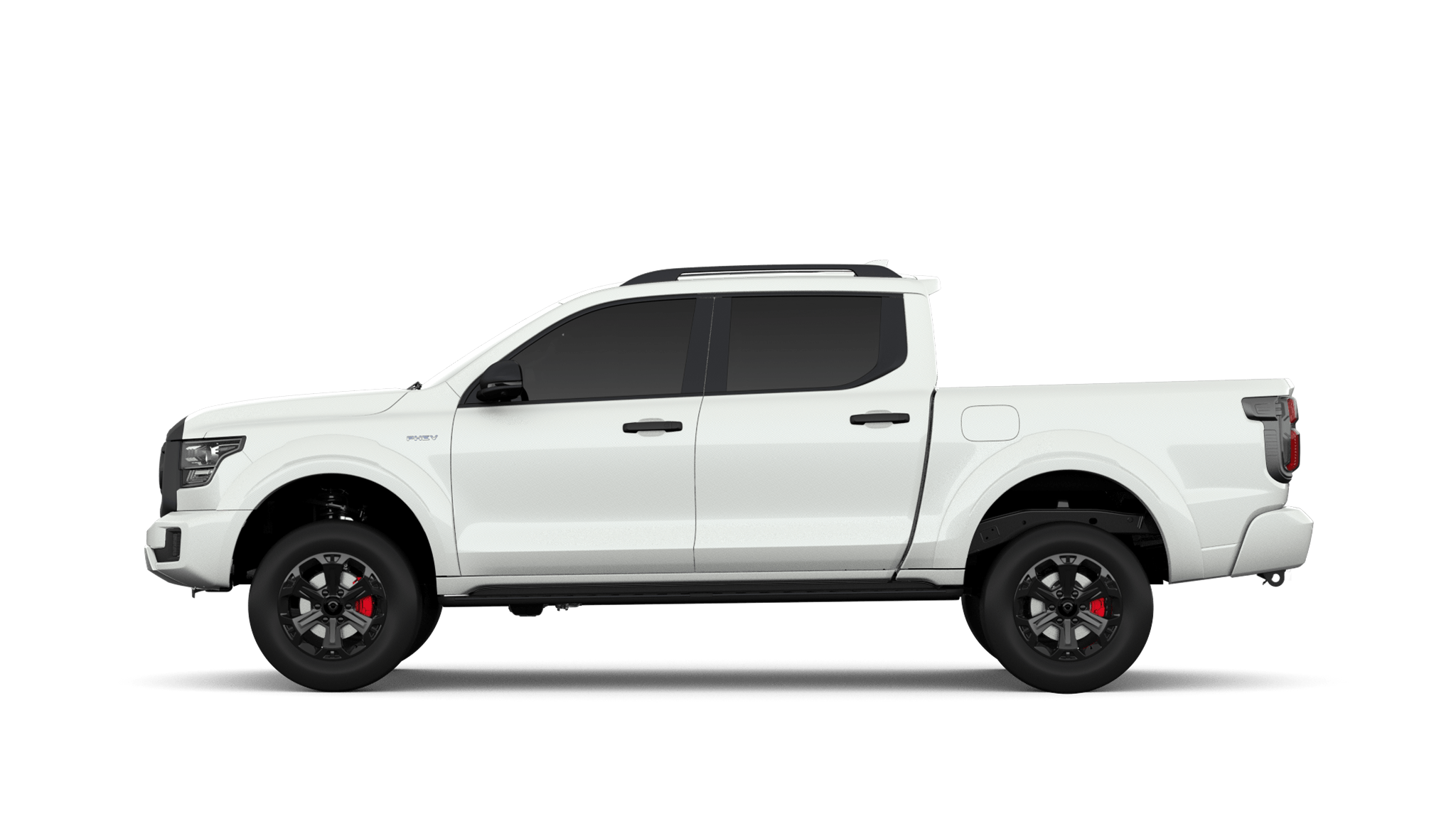
GWM Cannon Alpha Lux PHEV manufacturer reference image. Confirm publication permission and local grade appearance.
2 · GWM Cannon Lux Hi4 T PHEV — the value play
The smaller Cannon offers low range and a lower purchase price, while its 835kg headline payload looks healthy. Its lower GCM is the catch: just 315kg remains in our full-tow screen. It makes more sense to me with a lighter caravan and a carefully planned touring load. The published kerb axle split also makes it easier to start the axle conversation.[3],[4]
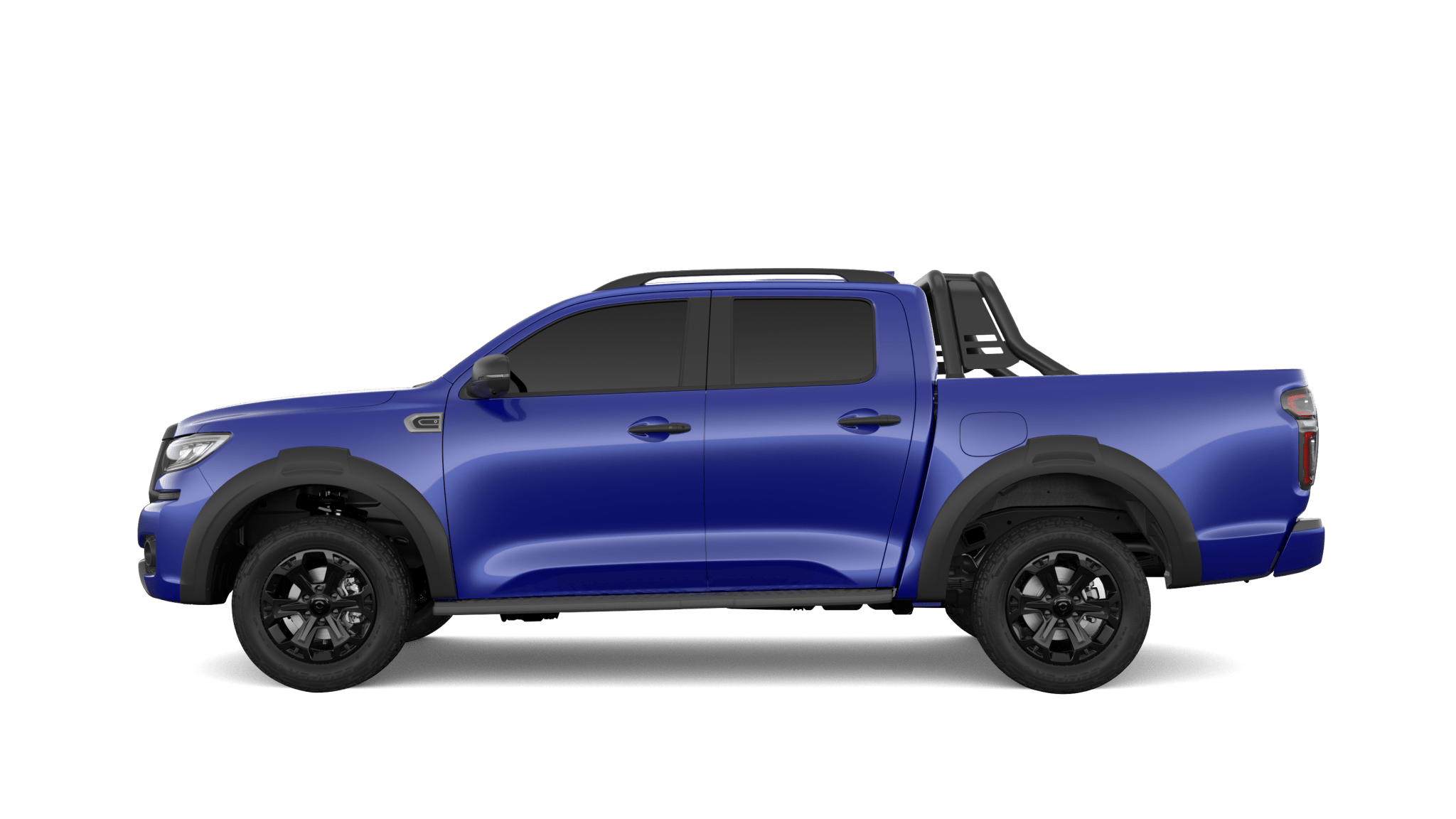
GWM Cannon Lux Hi4-T PHEV manufacturer reference image. Confirm publication permission before use.
3 · JAC Hunter Pro PHEV — strong numbers with a missing piece
The Pro’s list price and 915kg headline payload deserve attention, and 375kg remains at full towing weight. The X adds useful equipment for buyers who need it. My reservation is incomplete axle evidence: I would want the rear rating and an actual travelling weight before treating it as a match for a particular caravan. Peak system power is impressive, but does not establish sustained towing ability.[5]
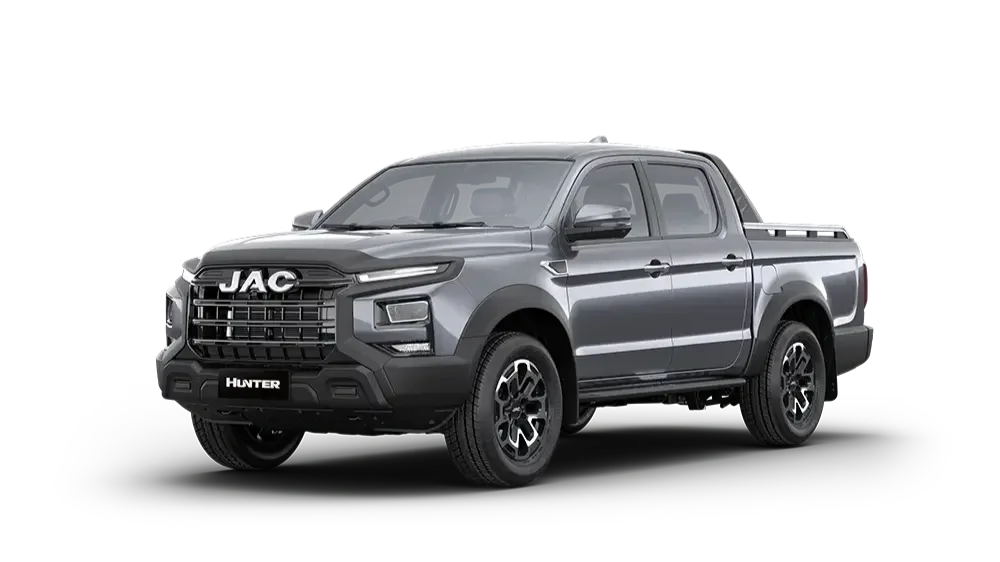
JAC Hunter Pro manufacturer reference image. Confirm publication permission and exact Australian specification.
4 · Denza B8 7S — the luxury wagon challenger
The B8 is the one that makes the established large wagons look over their shoulders. Hydraulic suspension, a large battery and fast DC charging give it a different appeal from a work ute. But its 3,290kg kerb mass leaves 352kg for people and gear in our example. Seven seats do not mean seven adults plus a 3.5-tonne caravan. The 7S is the more relevant value reference here.[7]
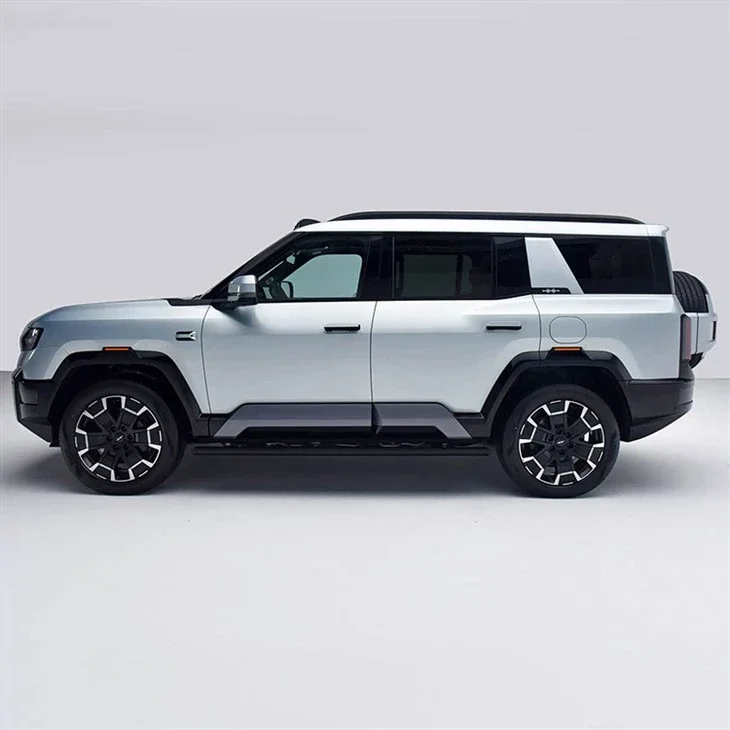
Denza B8 7s full optioned vehicle shown.
5 · BYD Shark 6 Performance — the daily driver crossover
The Performance finally brings a 3,500kg rating to the Shark range, with independent rear suspension and plug-in convenience. I can see the attraction for a vehicle that spends most weekdays unhitched. For serious caravan duty, be specific about the badge: the Performance has a 1,900kg rear axle ceiling, lower than the Premium’s, despite the higher tow rating. Its 375kg mass allowance still needs careful budgeting.[6]
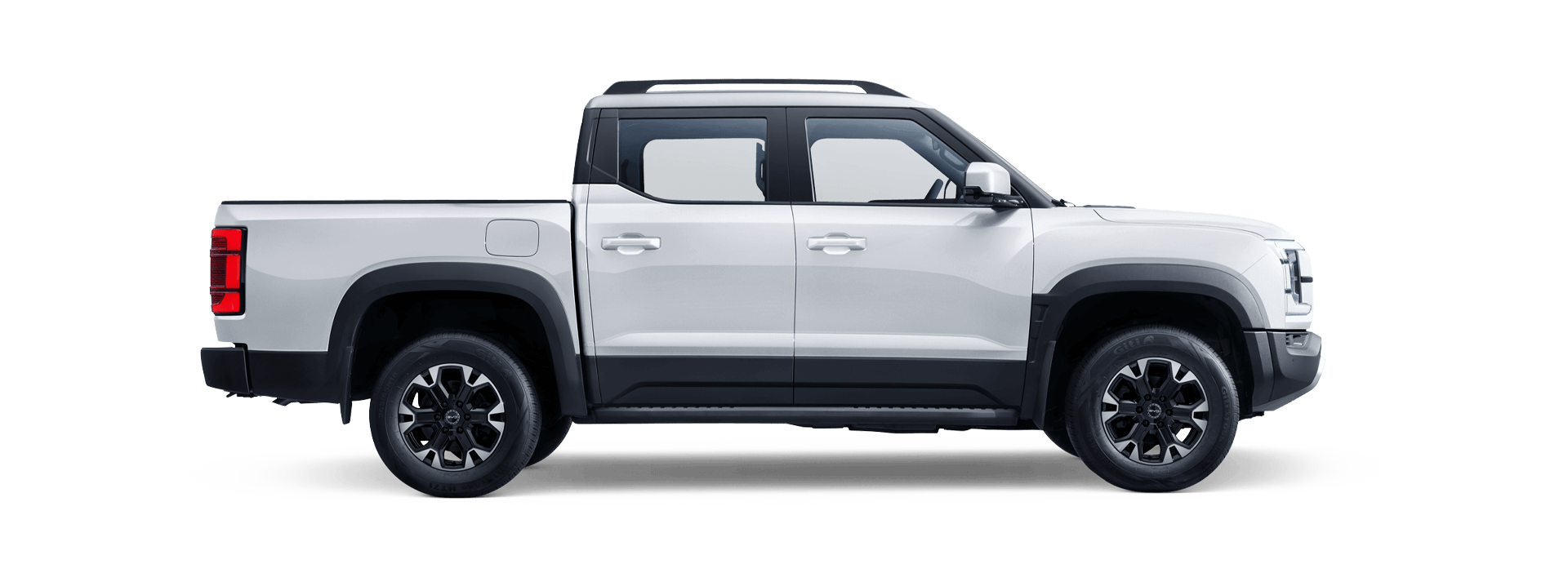
BYD Shark 6 manufacturer range image. Image is not verified as Performance grade; use a confirmed Performance photograph for the published comparison.
The mild hybrid wildcard
Foton deserves a fair hearing. Its V7-C 4x4 leaves 700kg in the same mass screen, substantially more than the PHEVs, at a lower list-price reference. That is a real advantage for people carrying more equipment. Its 48V assistance also avoids the mass of a large plug-in battery.[10]
I have kept it outside the PHEV Top 5 because it does not offer the same electric driving proposition. It is a serious capacity-and-price wildcard, not a vehicle I would dismiss for its badge. However, its 120kW output and an unverified rear axle limit leave important questions for a sustained, loaded towing test. Published payload alone does not win the overall shootout.
The 2027 to 2028 watchlist
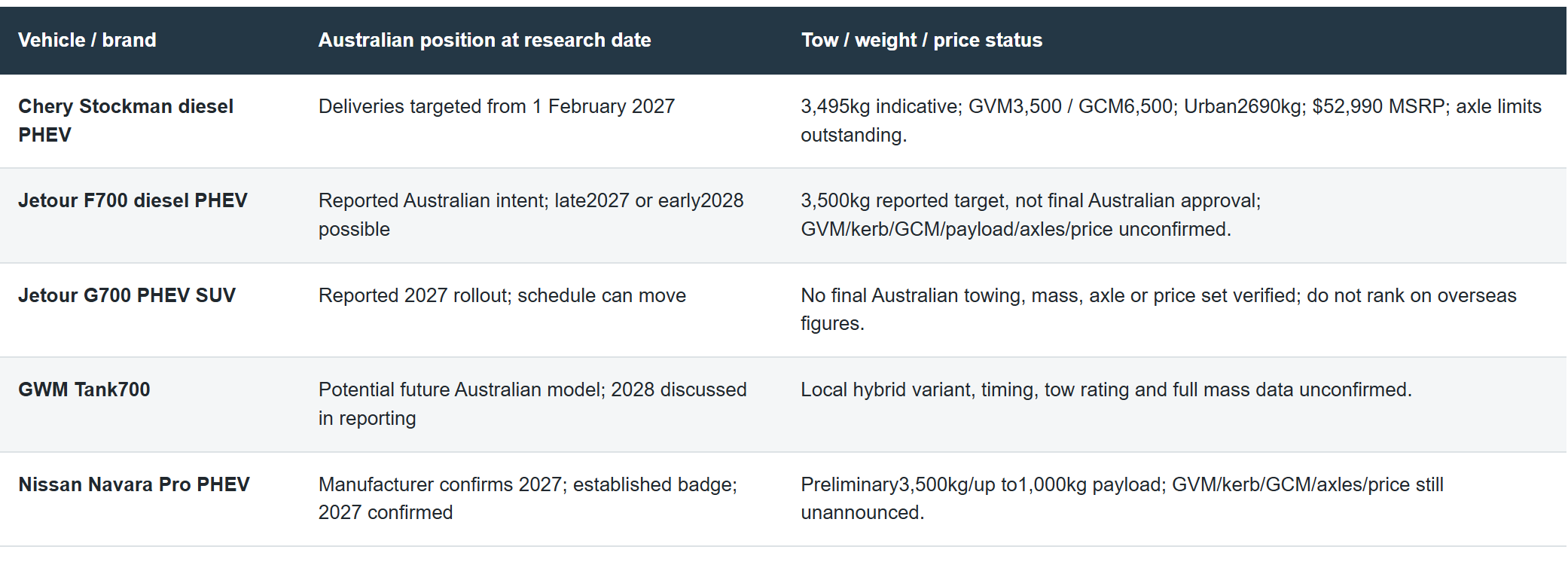
Sources [8,9,19–21]. The Stockman is particularly interesting because diesel plug-in power could suit Australian touring habits. But “nearly 3.5 tonnes” is still not 3,500kg, and the Ultimate AT’s 270kg people-and-gear allowance at its rated maximum is a meaningful limitation. The Urban’s lower mass improves that screen to 315kg.
What is coming from the Established Brands?
The Usual brands are moving too. Nissan has now scheduled Y63 Patrol deliveries from December 2026, with a 3,700kg rating. I have retained the requested Y62 in the main table hwoever, but anyone shopping new should compare the incoming vehicle separately. The Nissan is in a curious position, where it seems that it is going more Road based Fast SUV commuter than an touring vehicle, and in my eyes is more suited to the modifying car enthusiast than it will be to adventure touring. Time will tell. In Toyota’s September Spec sheets released, it also includes LC300 Performance Hybrid grades; those are different weight configurations from the GXL diesel that has been assessed here in this article.[13],[22]
For the more distant arrivals, I would keep a watchlist rather than put deposits down based on overseas towing claims/evidence. Until Australian GVM, GCM, kerb mass and axle limits are available together, a confident heavy-towing ranking is premature.
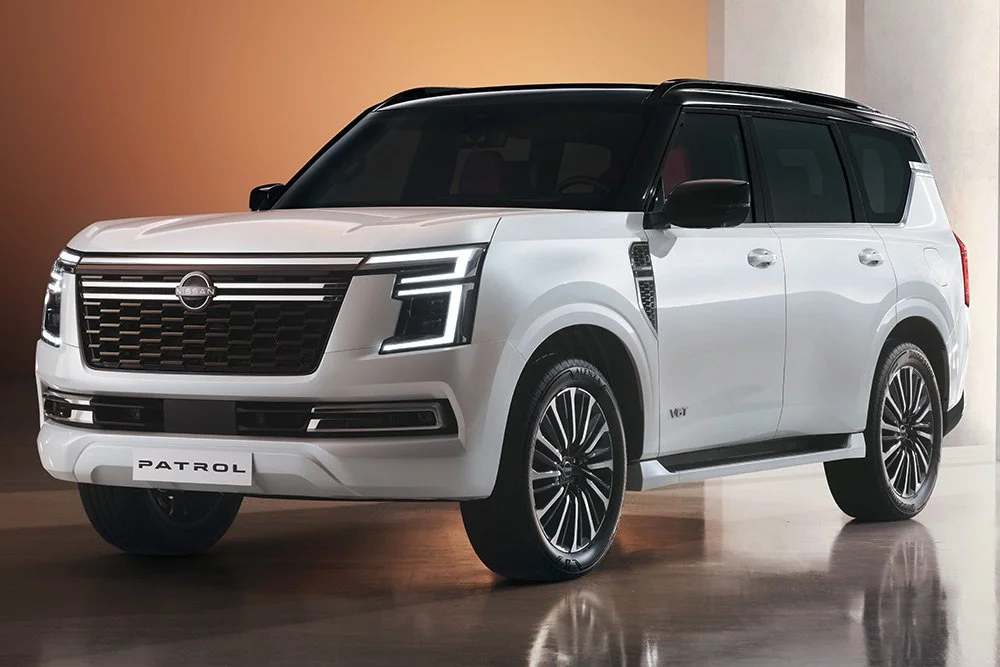
Nissans Y63 patrol goes on sale in December 2026 with a 3.5-litre petrol TTV6 derived from the Nissan GT-R sports car that punches out an impressive 317kW and 700Nm. It promises more power and 24% more fuel efficient than the outgoing Y62 - although towing will surely affect these numbers.
Do not mistake the fuel label for a towing result
A plug-in hybrid can be compelling when you charge at home and do most daily driving without a caravan. That is a different job from hauling a large van into a headwind. Published NEDC, WLTP and WLTC ranges use different test methods; none is a loaded caravan range guarantee.
I have deliberately left claimed combined fuel consumption out of the scoring. The meaningful next test is the same caravan, road, speed, weather and load, measured over a long enough route to include depleted-battery operation. We need braking, cooling, hill performance and stability results as well as litres per hundred kilometres. Peak battery-assisted output cannot answer those questions by itself.
V2L is useful for camp appliances, but check output, state-of-charge reserves and connection instructions. It should not be assumed to replace a correctly designed caravan charging system. For remote touring I would also check parts availability, service access along the route and the actual recovery cover, rather than assume that a long warranty pays for every recovery.
The overall winner
My overall choice for regular heavy caravan touring, on this specification-based comparison, is the Ford Ranger XLT V6 diesel. Its selected configuration retains 649kg for occupants, accessories and cargo in the full-tow mass screen, alongside full-time 4WD and a substantially lower list-price reference than the premium wagons. That is a useful combination of carrying room, equipment and cost.[12] Hear me out, I wouldn’t personally choose a Ford Ranger for my own various and personal opinion/reasoning, but this article is designed to be what is objectively the best on paper and money - the best outcome for your payload and dollar, which the Ranger leads.
That judgement is also conditional on the exact vehicle matching the cited specification, the rear axle remaining compliant and the required towing equipment being fitted. It is not a declaration that the Ranger is the best vehicle in every road condition. The Discovery’s 528kg DIN-based screen is competitive for wagon buyers in the Wagon segment, while the LC300, Y62 and Grenadier each bring a different packaging and hardware proposition. Their own axle and payload checks remain essential for your touring conditions.
The GWM Cannon Alpha Lux PHEV wins the Chinese plug-in hybrid shortlist. For a couple who can keep the travelling vehicle light, charge regularly at home and value low range plus camp power, it is a credible alternative worth investigating. If your main priority is carrying capacity at a budget price, the Foton wildcard deserves a loaded demonstration too.
The Denza B8 puts up a good Wagon battle against the more established LC300 and Y62 Japanese manufacturers, with arguably better tech and similar overall ratings.
What excites me is that caravan owners now have more real choices. My advice is to let your intended travelling load choose the shortlist. Bring the vehicle weights, caravan weights and ball load to the same conversation early. A tow vehicle that fits your actual trip is a far better purchase than one that only fits the brochure.
And remember, What happens when your stranded, need support, warranty or parts when things go wrong, remotely or out of a metro destination. That’s the biggest question mark in all of the above.